
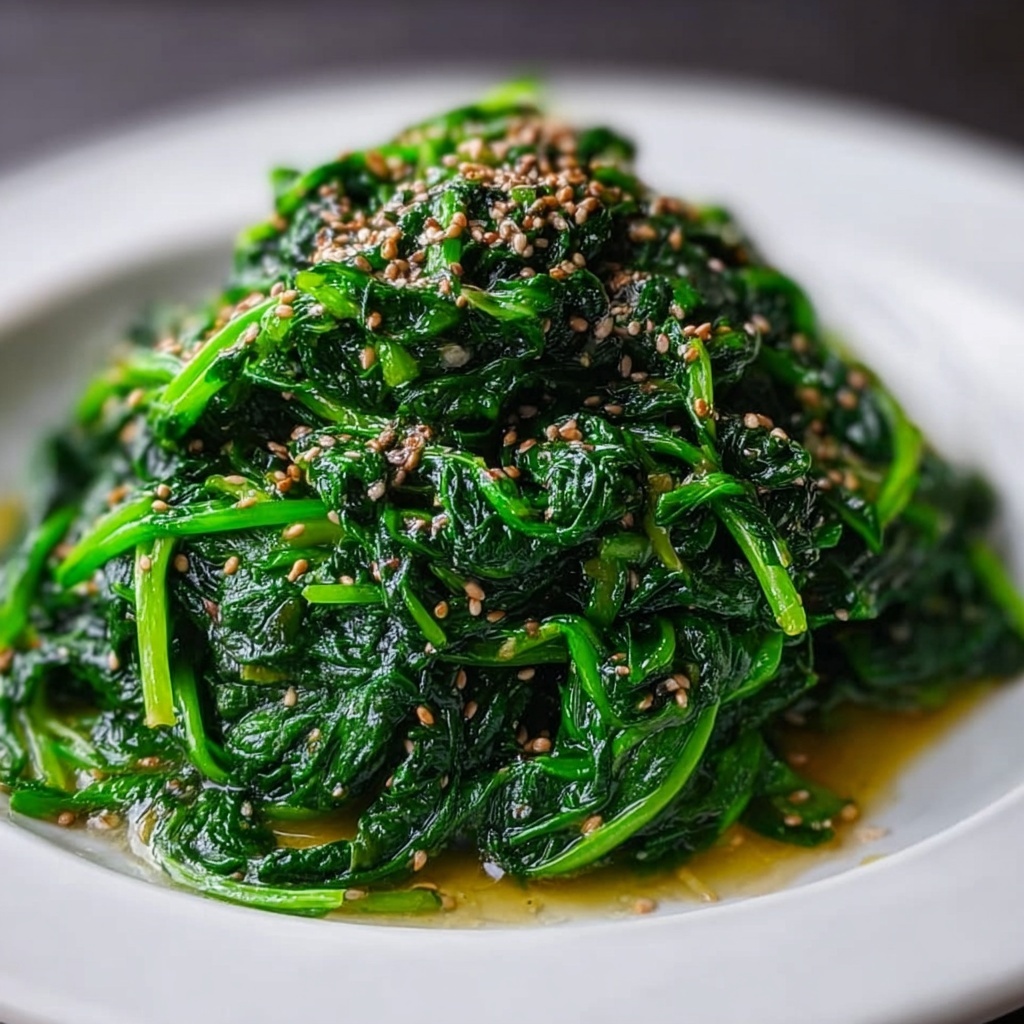
If you’re looking to brighten up your meal with something simple, flavorful, and packed with nutrition, the Korean Spinach Side Dish (Sigeumchi Namul) Recipe is an absolute must-try. This vibrant, garlicky, and nutty seasoned spinach salad sneaks in a burst of freshness and umami with every bite, making it a beloved staple in Korean cuisine. What’s truly wonderful is how straightforward the preparation is—just a handful of humble ingredients combine to create a side dish that perfectly complements any main meal, from grilled meats to steaming bowls of rice.
Ingredients You’ll Need
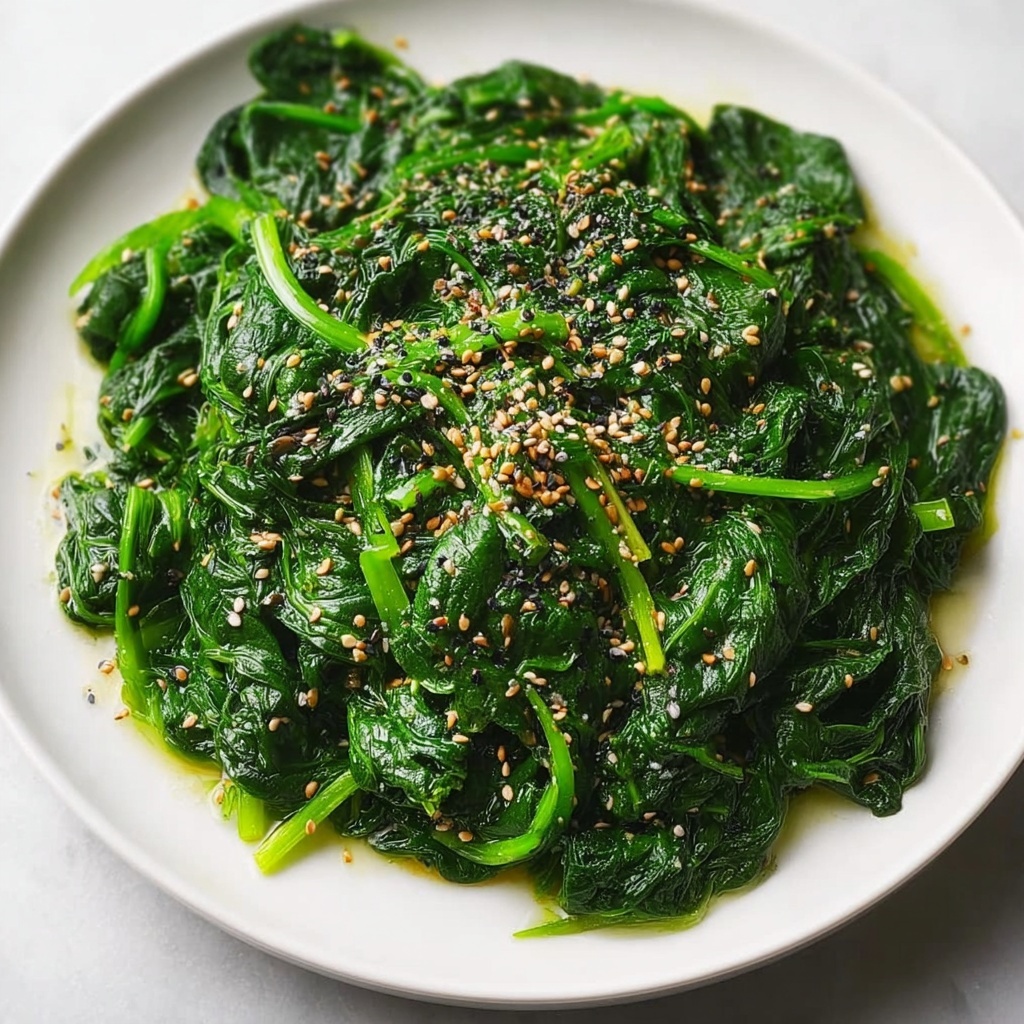
The magic of this Korean Spinach Side Dish (Sigeumchi Namul) Recipe lies in its simplicity. Each ingredient plays a key role: the fresh spinach offers earthy brightness, soy sauce introduces savory depth, sesame oil and seeds bring a toasty warmth, and garlic provides a gentle punch. Together, they form a perfectly balanced, colorful dish that’s easy to assemble yet unforgettable in taste.
- Fresh spinach (1 pound): Opt for flat-leaf or baby spinach for tender, vibrant greens that cook quickly and maintain a lovely texture.
- Coarse sea salt (1 tablespoon): Used in the blanching water, it enhances flavor and keeps the spinach’s color bright.
- Soy sauce (1½ teaspoons): The salty backbone of the seasoning; use gluten-free if needed and adjust to your taste.
- Sesame oil (1 teaspoon): Adds a rich, nutty aroma that’s essential for authentic flavor.
- Toasted sesame seeds (1 to 1½ teaspoons): Lightly crushed to release their fragrance and give the dish a delightful crunch.
- Garlic (½ teaspoon, finely minced): Provides a subtle zing—feel free to adjust according to your preferences.
- Fine sea salt (¼ teaspoon): For seasoning, adding just the right amount of saltiness after cooking.
- Sugar (¼ teaspoon, optional): Balances the flavors with a soft touch of sweetness if desired.
- Green onion (1 to 2 teaspoons, finely chopped, optional): Offers a fresh aroma and slight crispness.
- Black pepper (small pinch, optional): Provides mild warmth and spice if you like a hint of heat.
- Additional toasted sesame seeds: Perfect for garnishing and enhancing presentation and texture.
How to Make Korean Spinach Side Dish (Sigeumchi Namul) Recipe
Step 1: Prepare the Spinach
Start by rinsing your spinach thoroughly to remove any dirt or grit, especially near the stems. If you’re using mature spinach, trim any tough ends and halve large leaves to ensure even cooking. Baby spinach can go straight to the pot without any prep.
Step 2: Boil the Spinach
Bring a large pot of water to a rolling boil and add the coarse sea salt. This slightly seasons the spinach and helps it keep that vibrant green color. Submerge the spinach all at once, using tongs to make sure it’s fully covered. Blanch the leaves for just under a minute for mature spinach, or around 30 to 45 seconds for baby spinach, until they’re wilted but still bright.
Step 3: Shock and Drain
Immediately plunge the spinach into a bowl of cold water to stop the cooking and lock in freshness. Gently swish the leaves, then drain thoroughly. When squeezing out excess water, be gentle—you want to preserve the delicate texture without crushing the leaves.
Step 4: Cut and Loosen the Spinach
Place the squeezed spinach onto a cutting board and roughly cut it into 2 to 3 inch pieces. Fluff the leaves with your fingers so they’re nicely separated, which allows the seasonings to embrace every bite.
Step 5: Prepare the Seasoning Mixture
In a bowl, combine soy sauce, sesame oil, finely minced garlic, fine sea salt, and optional sugar for balance. Add chopped green onion and a pinch of black pepper if you like, then toss in lightly crushed toasted sesame seeds. Stir thoroughly to meld all those wonderful aromas and flavors.
Step 6: Mix the Spinach with Seasoning
Add your prepared spinach into the bowl with the seasoning. Using clean hands or chopsticks, gently toss and massage the spinach so the sauce coats every piece evenly. Taste now and adjust with extra soy sauce, salt, or sesame oil to suit your palate perfectly.
Step 7: Let It Rest
Allow the dish to rest at room temperature for 5 to 10 minutes so the flavors can marry beautifully. Give it one final mix right before serving and sprinkle additional toasted sesame seeds on top for that extra pop of texture and aroma.
How to Serve Korean Spinach Side Dish (Sigeumchi Namul) Recipe
Garnishes
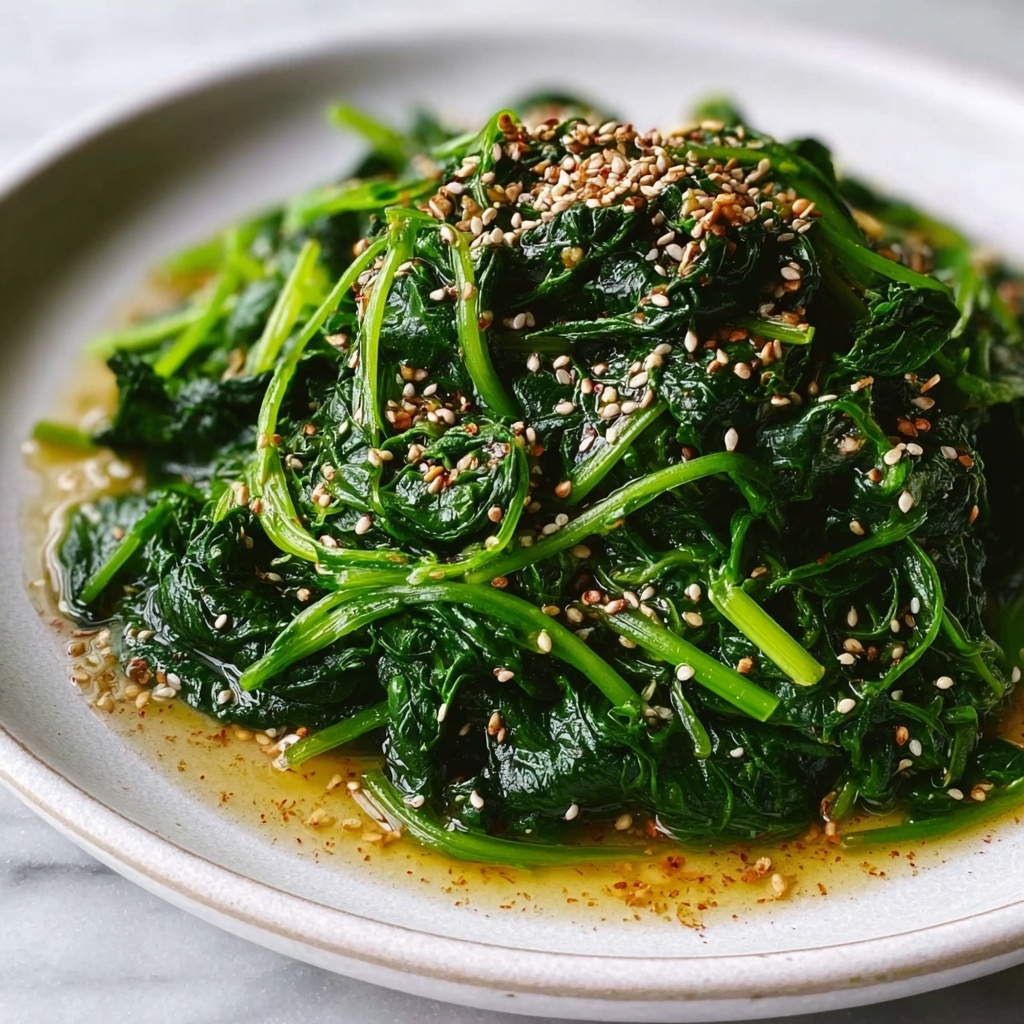
A sprinkle of toasted sesame seeds is the classic finish to this dish, adding nuttiness and crunch. For a splash of color and subtle bite, thinly sliced green onions or a few chili flakes can also work wonderfully as garnishes.
Side Dishes
This Korean Spinach Side Dish (Sigeumchi Namul) Recipe pairs superbly with steamed white rice and other banchan like kimchi, spicy cucumber salad, or mild tofu dishes. It’s also fantastic alongside grilled meats or fish, making any meal feel complete and balanced.
Creative Ways to Present
For a refreshing twist, try layering this seasoned spinach atop a bowl of warm noodles or blend it into bibimbap for delicious texture contrasts. You can even stuff it into savory pancakes or wraps for a nutritious boost and an unexpected pop of flavor.
Make Ahead and Storage
Storing Leftovers
Store leftover Korean Spinach Side Dish (Sigeumchi Namul) in an airtight container in the refrigerator. It will keep well for 2 to 3 days. Flavors may soften a bit, so give it a gentle toss and tweak the seasoning if needed before enjoying again.
Freezing
Because of the fresh texture of the spinach, freezing is not recommended for this dish. The leaves tend to become watery and lose their vibrant appeal once thawed, so it’s best enjoyed fresh or within a few days refrigerated.
Reheating
This dish is typically served at room temperature or slightly chilled, so reheating isn’t necessary. However, if you prefer it warm, you can gently heat it in a skillet over low heat for a minute or two just before serving, stirring gently to avoid wilting the leaves too much.
FAQs
Can I use frozen spinach for the Korean Spinach Side Dish (Sigeumchi Namul) Recipe?
While fresh spinach is ideal for texture and color, you can use thawed frozen spinach if necessary. Just be sure to squeeze out as much water as possible to avoid a soggy dish. The flavor won’t be quite the same, but it’s a convenient alternative.
Is this Korean Spinach Side Dish vegan and gluten-free?
Yes, absolutely! This recipe is naturally vegan. Just be sure to select a gluten-free soy sauce if you need to avoid gluten, and you’ll have a safe and tasty side dish suitable for many diets.
How spicy is this Sigeumchi Namul recipe?
The traditional Korean Spinach Side Dish (Sigeumchi Namul) Recipe is not spicy at all. It’s more savory, nutty, and aromatic with a slight garlicky bite. You can always add chili flakes if you want to introduce some heat.
Can I make this ahead of time for meal prep?
Yes, making this dish a few hours ahead or the night before allows the flavors to deepen, which some people love. Just keep it refrigerated and adjust seasoning before serving if needed.
Why is the spinach blanched before seasoning?
Blanching the spinach softens the leaves just enough to make them tender and easy to eat while preserving that vibrant green color. It also helps remove any raw bitterness and readies the spinach to absorb the seasonings perfectly.
Final Thoughts
It’s hard not to fall in love with the Korean Spinach Side Dish (Sigeumchi Namul) Recipe once you’ve tasted its perfect harmony of flavors and textures. This simple yet stunning dish is a fantastic way to add a burst of freshness and healthy greens to your table, whether it’s a weekday dinner or a special gathering. I encourage you to give this recipe a try—once it becomes a part of your cooking repertoire, it’s sure to be a go-to favorite you’ll reach for again and again.
Print
Korean Spinach Side Dish (Sigeumchi Namul) Recipe
- Prep Time: 0h 10m
- Cook Time: 0h 15m
- Total Time: 0h 25m
- Yield: 4 servings
- Category: Side Dish
- Method: Boiling
- Cuisine: Korean
- Diet: Vegetarian
Description
Sigeumchi Namul is a traditional Korean spinach side dish known for its simplicity and fresh flavors. It features blanched spinach lightly seasoned with soy sauce, garlic, sesame oil, sesame seeds, and a hint of sweetness, making it a perfect banchan to accompany any Korean meal.
Ingredients
Spinach Preparation
- 1 pound (450 g) fresh spinach, preferably flat-leaf or baby spinach
- 1 tablespoon coarse sea salt (for blanching water)
Seasoning
- 1 ½ teaspoons soy sauce (more to taste; use gluten-free if needed)
- 1 teaspoon sesame oil
- 1 to 1½ teaspoons toasted sesame seeds, lightly crushed
- 1 small garlic clove, very finely minced (about ½ teaspoon; adjust to taste)
- ¼ teaspoon fine sea salt (for seasoning, adjust to taste)
- ¼ teaspoon sugar (optional, to balance flavors)
- 1 to 2 teaspoons finely chopped green onion (optional, for extra aroma)
- Small pinch of black pepper (optional)
- Additional sesame seeds for garnish (optional)
Instructions
- Prepare the spinach: Fill a large bowl with cold water and set aside for shocking the spinach later. Rinse the spinach thoroughly in several changes of cold water to remove any grit or dirt, especially near the stems. If using mature spinach with long stems, trim any tough ends and cut very large leaves in half so they cook evenly. Baby spinach can be used as is.
- Boil the spinach: Bring a large pot of water to a rolling boil over high heat. Add 1 tablespoon of coarse sea salt to the boiling water; this seasons the spinach lightly and helps keep its bright green color. Add the spinach all at once, submerging it fully with tongs or chopsticks. Blanch for about 30 to 45 seconds for baby spinach, or up to 1 minute for mature spinach, just until the leaves are wilted but still bright green and the stems are slightly tender.
- Shock and drain: Immediately transfer the blanched spinach to the bowl of cold water to stop the cooking and preserve the color. Swish gently in the cold water, then drain in a colander. Gather the spinach into a loose bundle and gently squeeze out as much excess water as possible with your hands. Do not over-squeeze to the point of crushing the leaves; just press firmly until it is no longer dripping.
- Cut and loosen: Place the squeezed spinach on a cutting board and roughly cut it into 2 to 3 inch (5 to 7 cm) lengths to make it easier to eat. Gently separate and fluff the pieces with your fingers so the seasoning will distribute evenly.
- Prepare the seasoning: In a medium bowl, combine 1½ teaspoons soy sauce, 1 teaspoon sesame oil, ½ teaspoon very finely minced garlic, ¼ teaspoon fine sea salt, and ¼ teaspoon sugar (if using). Add the chopped green onion and a pinch of black pepper, if using. Lightly crush 1 to 1½ teaspoons toasted sesame seeds between your fingers or with the back of a spoon to release more aroma, and add them to the bowl. Stir the mixture well to create a fragrant seasoning sauce.
- Mix the spinach: Add the prepared spinach to the bowl with the seasoning. Using clean hands or chopsticks, gently toss and massage the spinach with the seasoning, ensuring each piece is coated evenly. Taste and adjust: add a few more drops of soy sauce for saltiness, a pinch more salt, or a tiny splash of sesame oil if you want a richer, nuttier flavor.
- Rest for flavor: Let the seasoned spinach rest for at least 5 to 10 minutes at room temperature; this allows the flavors to penetrate. Mix again just before serving and sprinkle additional toasted sesame seeds on top if desired.
- Serve and store: Serve at room temperature or slightly chilled as a banchan (Korean side dish) alongside rice and other dishes. Store leftovers in an airtight container in the refrigerator for up to 2 to 3 days. Toss lightly before serving again, and adjust seasoning if needed since flavors can mellow in the fridge.
Notes
- Use fresh spinach for the best texture and flavor. Baby spinach is most convenient, but mature spinach works well if trimmed properly.
- Blanching time is critical; under- or overcooked spinach will affect texture and color. Watch carefully during the blanching step.
- Adjust soy sauce and salt amounts to your taste and dietary needs.
- The sugar is optional but helps balance the savory flavors for those who prefer a subtle sweetness.
- Storing the dish for more than 2-3 days is not recommended as spinach loses its freshness and flavor.
- Serve as part of a Korean meal alongside rice and other banchan dishes.