
“`html
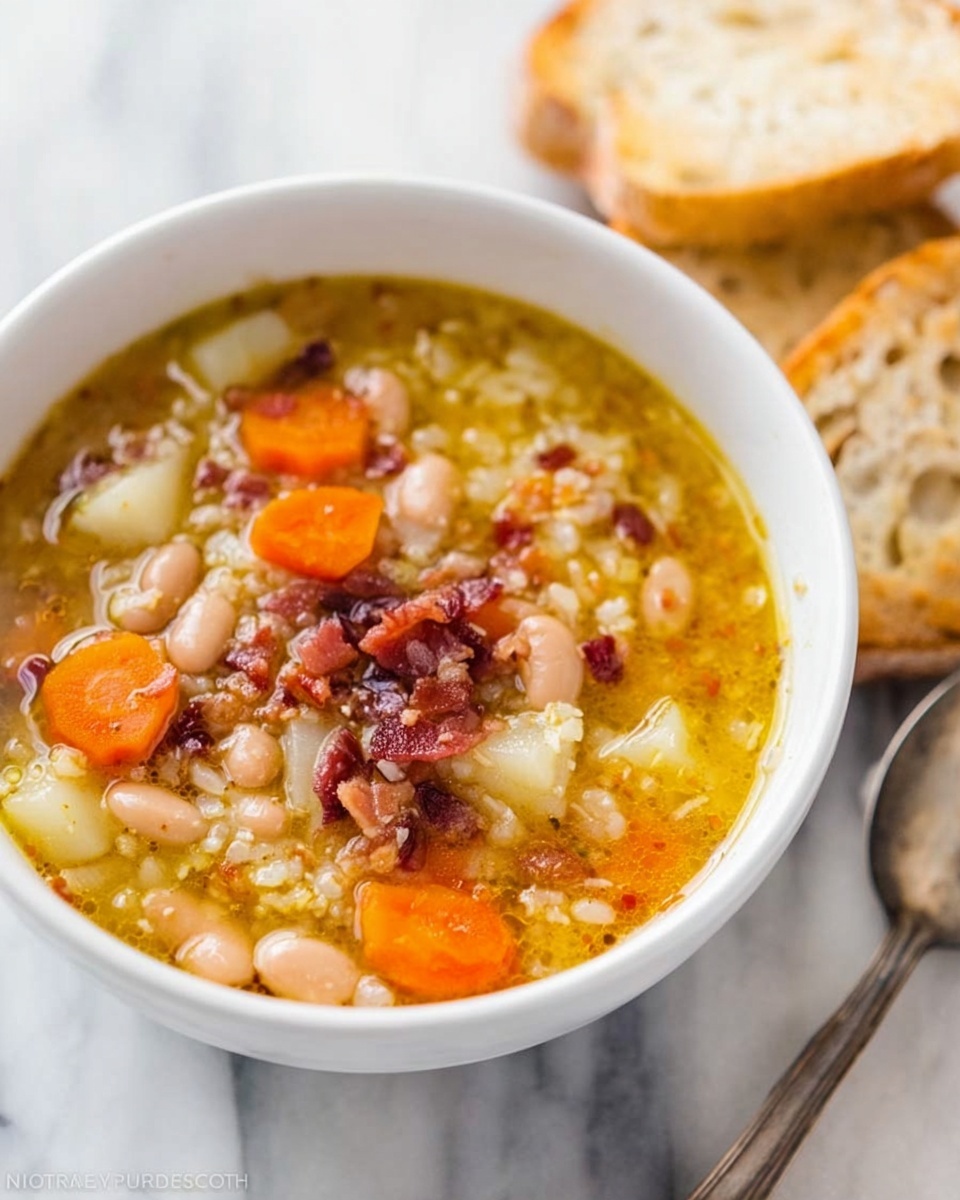
If you have a soft spot for deeply comforting, hearty soups that warm you from the inside out, then you are going to absolutely adore this Sauerkraut Soup (Kapustnyak) Recipe. This Eastern European classic brings together the tangy brightness of sauerkraut with the smoky richness of bacon and the earthiness of potatoes and beans, creating a bowl of soul-satisfying goodness that’s perfect year-round. Every spoonful bursts with layers of flavor that have been cherished for generations, making it a true standout for anyone craving something both nourishing and deliciously unique.
Ingredients You’ll Need
One of the best things about this Sauerkraut Soup (Kapustnyak) Recipe is how straightforward the ingredients are, yet how each one offers an essential role in building the perfect balance of taste, texture, and color. From the crunch of fresh vegetables to the creamy beans and tangy kraut, every element contributes to a rich, well-rounded bowl of soup.
- 1 Tbsp olive oil: Provides a light, fruity base for sautéing the bacon and vegetables.
- 8 oz bacon (chopped): Adds irresistible smoky depth and crisp texture.
- 1 stick celery (finely diced): Brings a gentle crunch and subtle freshness.
- 1 medium onion (finely diced): Builds savory sweetness as it caramelizes.
- 2 medium carrots (thinly sliced): Introduces a touch of natural sweetness and vibrant color.
- 3 medium potatoes (peeled and sliced into 1/3″ thick pieces): Gives the soup a satisfying heartiness and creamy bite.
- 1/4 cup quinoa (rinsed, optional): Adds a slight nuttiness and extra protein if you want a boost.
- 2-3 cups sauerkraut (triple rinsed & drained): The star ingredient offering zesty tang and fermented goodness.
- 8 cups low sodium chicken broth: Creates a rich, savory base without overpowering the flavors.
- 2 cups water (or to taste): Balances the broth for a perfect soup consistency.
- 1 15 oz can white beans (with juice): Adds creamy texture and protein, making the soup more filling.
- 1 bay leaf: Infuses subtle herbal notes that tie all the flavors together.
- Salt, pepper, and Mrs. Dash seasoning (to taste): Essential seasonings that enhance every component.
How to Make Sauerkraut Soup (Kapustnyak) Recipe
Step 1: Cook the bacon until golden
Begin by heating the olive oil in a large soup pot or Dutch oven. Toss in the chopped bacon and sauté it until it’s beautifully browned and crisp. Once done, scoop it out carefully with a slotted spoon and set it aside. This crispy bacon is going to add both texture and that crave-worthy smoky flavor throughout the soup.
Step 2: Sauté the celery and onion
In the same pot, using the bacon fat and olive oil, add the finely diced celery and onion. Let them cook gently over medium heat until they turn softened and golden, about five minutes. This step unlocks the natural sweetness and builds a fragrant foundation for the soup’s layers of flavor.
Step 3: Add the veggies, quinoa, and broth
Next, stir in the thinly sliced carrots, potatoes, and the optional rinsed quinoa. Pour in the eight cups of low sodium chicken broth and two cups of water. Bring everything up to a boil, then lower the heat to a gentle simmer. Let it cook for 15 minutes so the potatoes and carrots begin to soften while the quinoa plumps up, adding a lovely texture contrast.
Step 4: Incorporate sauerkraut, beans, and bacon
Now, add the well-rinsed and drained sauerkraut along with half of the reserved cooked bacon. Pour in the canned white beans with their juice for extra creaminess and protein, and toss in a bay leaf to infuse delicate herbal aromas. Continue simmering until the potatoes are perfectly tender, about 10 more minutes. Season carefully with salt, pepper, and Mrs. Dash seasoning to taste, making sure every spoonful sings with balanced flavor.
How to Serve Sauerkraut Soup (Kapustnyak) Recipe

Garnishes
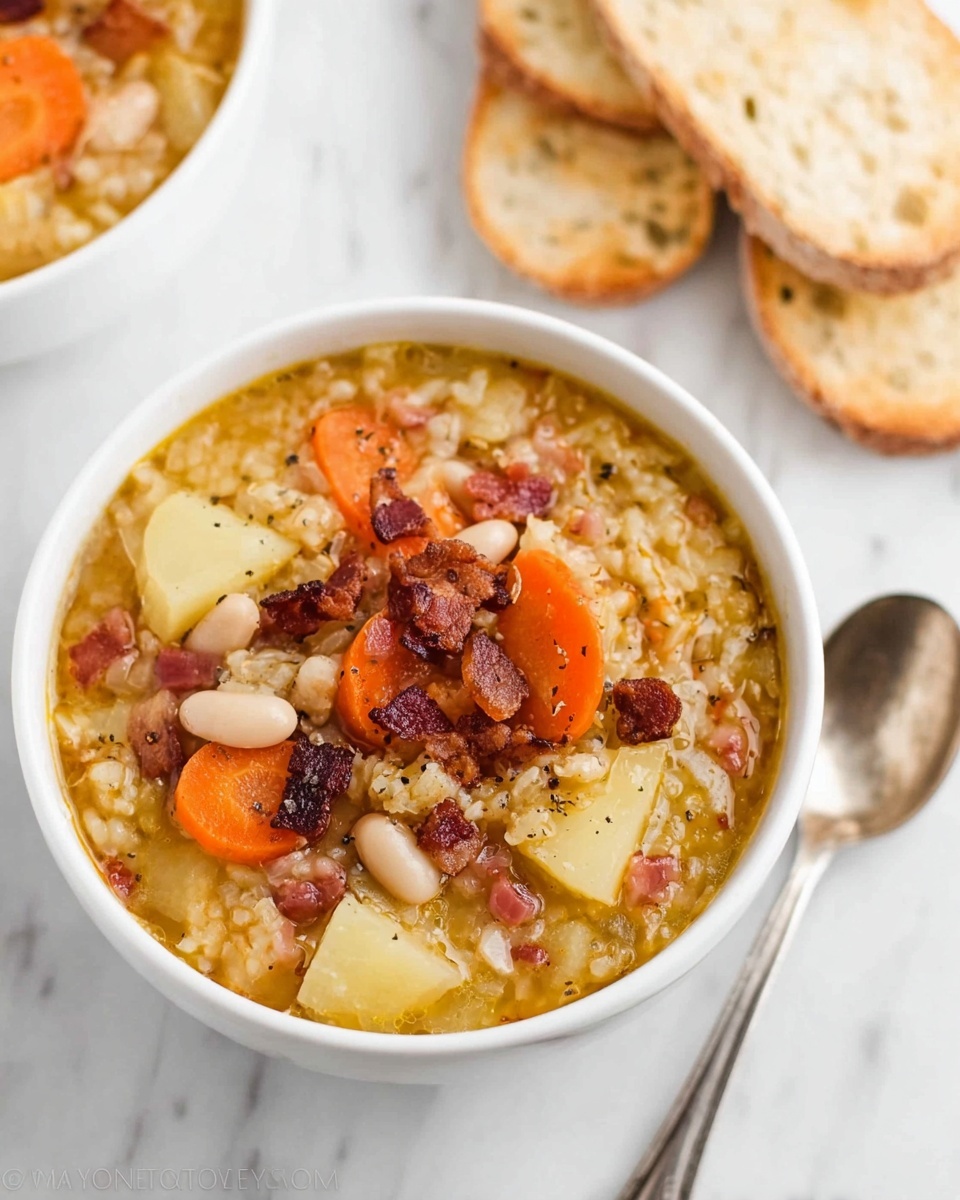
A simple garnish elevates this soup wonderfully. Sprinkle the remaining crispy bacon on top just before serving for extra crunch and smoky notes. If you like, fresh chopped parsley or dill can add a pop of color and a fresh herbaceous touch that complements the tangy sauerkraut beautifully.
Side Dishes
This soup pairs irresistibly well with fresh crusty bread or a hearty rye loaf to soak up every last drop of broth. A side salad with fresh cucumbers or radishes brings a crispness that contrasts nicely. For a more filling meal, serve alongside boiled or baked potatoes or a light cheese platter.
Creative Ways to Present
For a charming twist, serve the Sauerkraut Soup (Kapustnyak) Recipe in rustic bread bowls—perfect for casual dinners or entertaining friends. You can also offer an assortment of toppings on the side like sour cream, sharp grated cheese, or hot paprika to customize each bowl. A drizzle of good olive oil or a splash of vinegar can add an exciting depth for adventurous palates.
Make Ahead and Storage
Storing Leftovers
Once cooled, transfer your leftover sauerkraut soup into airtight containers and store it in the refrigerator. It will keep beautifully for 3 to 4 days, allowing you to enjoy the warm, hearty flavors long after cooking day.
Freezing
This soup freezes exceptionally well, making it a fantastic meal prep option. Freeze in freezer-safe containers or bags, leaving room for expansion. When frozen, it will keep its flavor and texture for up to 3 months, ready whenever you crave a comforting bowl of Kapustnyak.
Reheating
Reheat the soup gently over medium heat on the stove, stirring occasionally until warmed through. Avoid boiling vigorously to preserve the delicate flavors and texture of the ingredients. If the soup thickens too much after refrigeration or freezing, simply add a splash of water or broth while reheating to restore the perfect consistency.
FAQs
What can I use instead of bacon for a vegetarian version?
You can substitute smoked paprika and a splash of liquid smoke to recreate some of that smoky flavor. Adding sautéed mushrooms or smoked tofu cubes also brings lovely depth without meat.
Do I have to rinse the sauerkraut before adding it?
Yes, triple rinsing and draining your sauerkraut helps balance the acidity and prevents the soup from becoming overly sour. It ensures the tanginess is just right and complements the other ingredients beautifully.
Can I cook this soup in a slow cooker?
Absolutely! Brown the bacon and vegetables first, then add all ingredients to the slow cooker except for the sauerkraut and beans. Add those halfway through the cooking process. Cook on low for 6-8 hours or high for 3-4 hours for tender vegetables and deep flavors.
Is quinoa necessary in this recipe?
Quinoa is optional but recommended if you’re looking to boost protein and texture. If you don’t have it on hand, you can simply omit it, and the soup will still be hearty and delicious.
How spicy is Sauerkraut Soup (Kapustnyak) Recipe?
This recipe is naturally mild and tangy with smoky undertones but not spicy. You can bump up the heat by adding a pinch of cayenne pepper or some crushed red chili flakes if you like a spicy kick.
Final Thoughts
There’s something truly special about making and sharing this Sauerkraut Soup (Kapustnyak) Recipe. It’s not just a soup; it’s a warm hug in a bowl that transports you to cozy kitchens and shared gatherings with loved ones. Whether it’s a chilly winter day or a time when you need a little extra comfort, this recipe invites you to slow down and savor every bite. Give it a try—you might just find your new favorite soup to make again and again.
“`
Print
Sauerkraut Soup (Kapustnyak) Recipe
- Prep Time: 15 minutes
- Cook Time: 35 minutes
- Total Time: 50 minutes
- Yield: 8 (8 large bowls)
- Category: Soup
- Method: Stovetop
- Cuisine: Eastern European
- Diet: Low Fat
Description
This traditional Sauerkraut Soup, also known as Kapustnyak, is a hearty and comforting dish that combines the tangy flavor of sauerkraut with tender potatoes, savory bacon, and nourishing white beans. Enhanced with quinoa for added texture and nutrition, this soup is perfect for a cozy meal and brings a delightful balance of flavors and wholesome ingredients.
Ingredients
Soup Base
- 1 Tbsp olive oil
- 8 oz bacon, chopped
- 1 stick celery, finely diced
- 1 medium onion, finely diced
- 2 medium carrots, thinly sliced
- 3 medium potatoes (about 1 lb), peeled and sliced into 1/3″ thick pieces
Grains and Legumes
- 1/4 cup quinoa, rinsed (optional)
- 1 15 oz can white beans, with juice
Liquids and Seasonings
- 2–3 cups sauerkraut, triple rinsed and drained (we use 3 cups or about 2 lbs)
- 8 cups low sodium chicken broth
- 2 cups water (or to taste)
- 1 bay leaf
- Salt, to taste
- Pepper, to taste
- Mrs. Dash seasoning, to taste (about 1/2 tsp)
Instructions
- Cook the bacon: Heat 1 tablespoon of olive oil in a large soup pot or Dutch oven over medium heat. Add the chopped bacon and sauté until browned and crispy. Remove the bacon pieces with a slotted spoon and set aside, leaving the rendered fat in the pot.
- Sauté the vegetables: To the pot with bacon fat, add the finely diced celery and onion. Sauté for about 5 minutes, stirring occasionally, until the vegetables are softened and golden.
- Add carrots, potatoes, quinoa, and liquids: Stir in the thinly sliced carrots, peeled and sliced potatoes, and rinsed quinoa if using. Pour in 8 cups of low sodium chicken broth and 2 cups of water. Bring the mixture to a boil over high heat, then reduce heat to low and simmer for 15 minutes.
- Add sauerkraut, beans, and seasonings: Add the triple-rinsed and drained sauerkraut, half of the cooked bacon (reserve the rest for garnish), the white beans with their juice, and 1 bay leaf to the soup. Continue to cook over low heat for about 10 minutes, or until the potatoes are tender.
- Season and serve: Remove the bay leaf, then season the soup with salt, pepper, and Mrs. Dash seasoning to taste (approximately 1/2 teaspoon salt, 1/4 teaspoon pepper, and 1/2 teaspoon Mrs. Dash). Ladle into bowls and garnish with the reserved bacon. Serve hot with fresh crusty bread.
Notes
- Triple rinse the sauerkraut to reduce excess sourness and saltiness.
- Quinoa is optional but adds extra protein and texture.
- You can substitute the white beans with cooked navy or cannellini beans if preferred.
- Adjust seasoning to taste; sauerkraut can be quite salty depending on the brand.
- Leftovers taste even better the next day as flavors meld.